
Three Formats, Three Different Games: The Changing Language of Cricket Analysis
क्रिकेट के तीन प्रारूपों — टेस्ट, वनडे और टी20 — का मूल्यांकन एक ही पैमाने पर नहीं किया जा सकता। टेस्ट में बल्लेबाज़ का औसत और निरंतरता प्राथमिक है, टी20 में स्ट्राइक रेट और इकॉनमी रेट, जबकि वनडे में तीनों चरणों का संतुलन। इसके अलावा घरेलू और विदेशी पिचों के आँकड़ों को अलग देखना, वर्कलोड व चोट-इतिहास को ध्यान में रखना, और नीलामी की कीमत को खिलाड़ी की गुणवत्ता का सीधा प्रमाण न मानना — ये सभी भरोसेमंद क्रिकेट विश्लेषण की शर्तें हैं। जहाँ ठोस आधार उपलब्ध न हो, वहाँ दावा न करना ही सही विश्लेषणात्मक रुख है।
Calling cricket one sport is technically correct but practically misleading: it is a cluster of three different games. Test cricket, one-day cricket and T20 share the same ball, the same bat and roughly the same field, yet each runs on a different internal logic. A player who turns a match in one format can look ordinary in another — and that contradiction is not a flaw but a direct consequence of what each format demands. Most cricket debates are born out of ignoring this basic fact.
Format separation: the most basic discipline
The first and most essential rule of cricket analysis is simple: do not apply one format's numbers to another. In Tests a batter's average is the headline figure because time and wickets both carry value; in T20 the strike rate becomes primary because deliveries are rationed; and for a T20 bowler, economy rate becomes the true identity. The same player's three sets of numbers tell three different stories, and merging them into a single 'overall picture' erases the most important nuances of a career.
This is why national selection, workload management and strategy all have to be thought through separately for each format. A side that picks fast bowlers on a long rope for Tests still needs specialist bowlers for T20. That distinction is not an analyst's convenience; it is part of the sport's fundamental structure.
Tests: measuring patience
Test cricket does not judge performance at the speed at which modern media builds stories. Five days, two innings, and a slowly shifting balance of weather, pitch and conditions — here the measure of success is continuity. A century scored in the fourth innings, a spell bowled on a dry fifth-day pitch, a catch taken in the afternoon heat — all look identical in a list of numbers, yet carry entirely different weight. The real challenge of Test analysis is precisely this: separating context from the count.
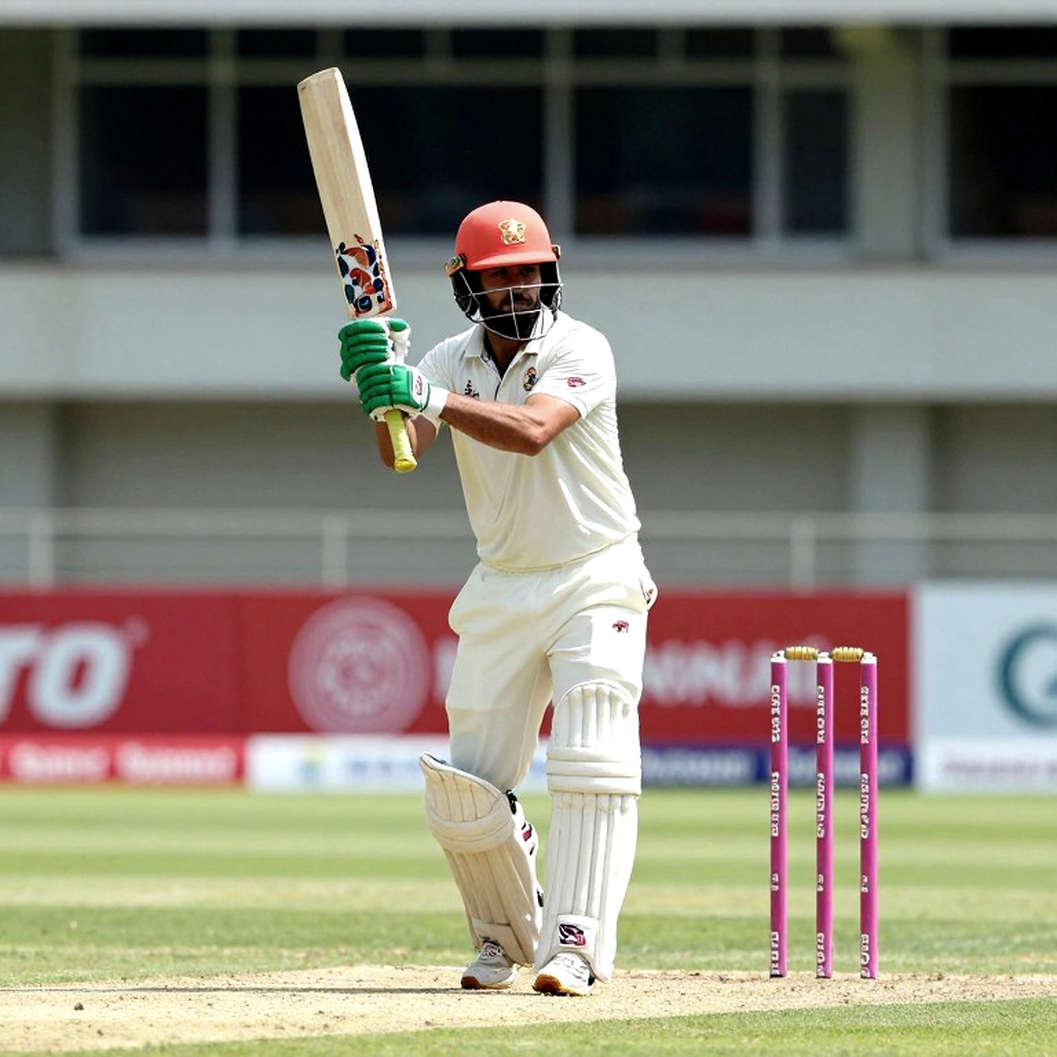
That is why Test data is at its most deceptive when it is not split between home and away conditions. An average built on slow, turning subcontinental pitches and one built on fast, bouncy overseas surfaces cannot be weighed on the same scale. Analysis that ignores this difference is measuring a player's home comfort rather than his actual ability.
ODI: the art of balance
One-day cricket is currently the format most in transition. On one side T20's pace has reshaped its middle-overs structure; on the other, Test's depth still persists within it. This means an ODI must be evaluated on two scales at once — aggression in the first ten overs, game-awareness in the middle, and explosiveness in the last ten. The batter who can play three different roles across three phases is the true ODI asset.
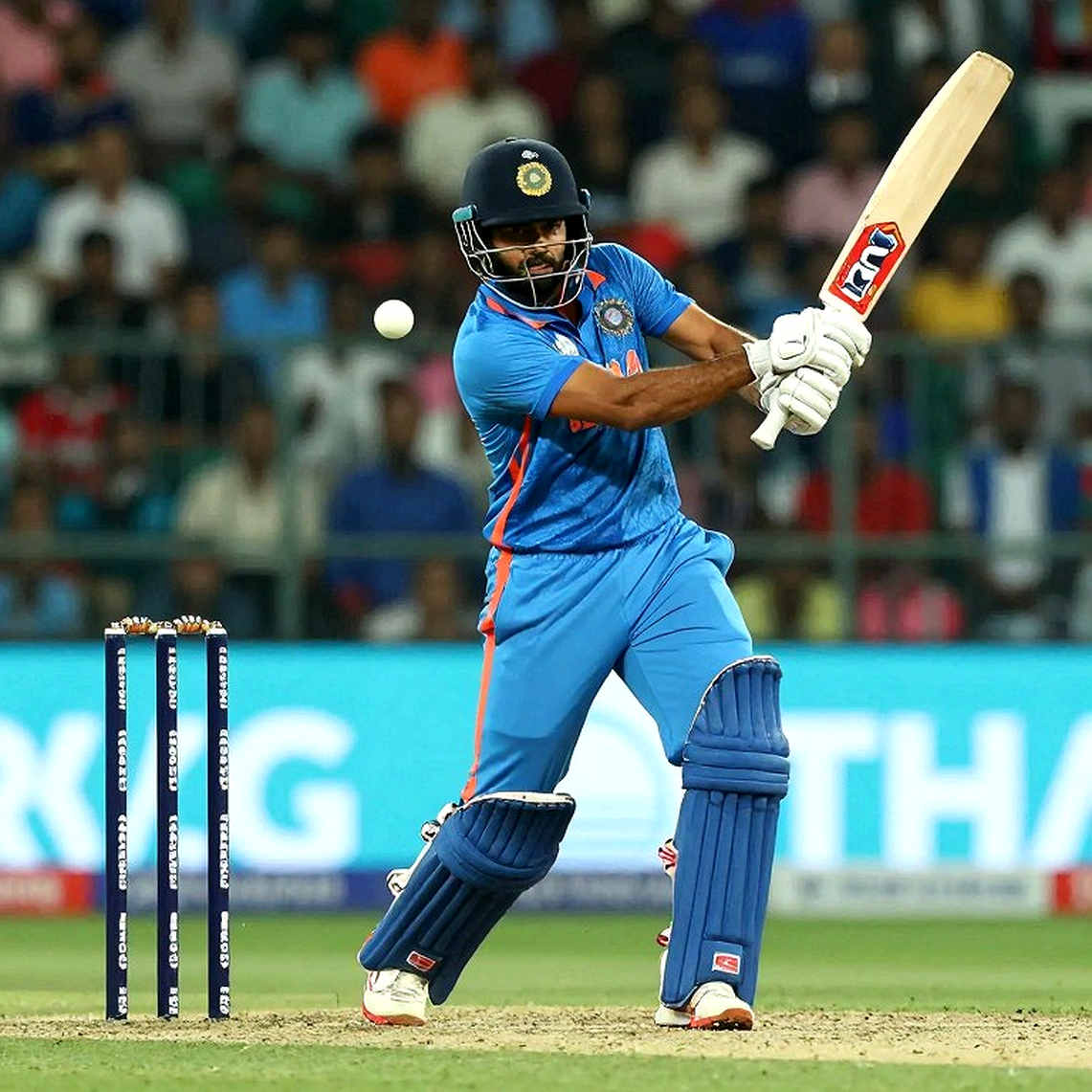
From the bowling side, the new-ball role and death-overs pressure are two distinct skills. The same bowler can be lethal in a first spell and expensive in a final one — that contradiction is a demand of the role, not a weakness. ODI analysis matures when it evaluates a player inside his designated role.
T20: every ball is a bet
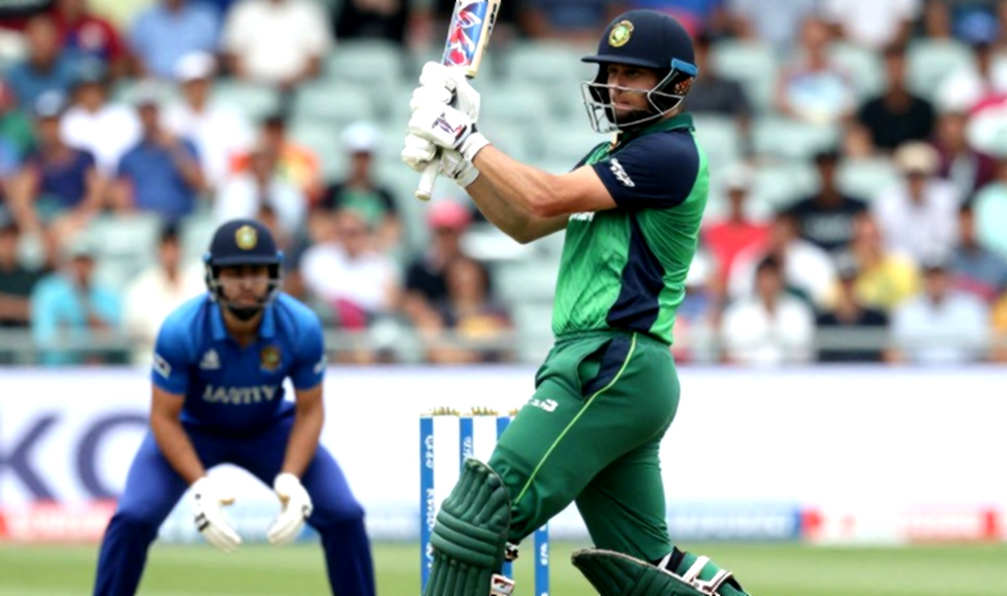
T20 has a small sample size, and that is its biggest analytical risk. In twenty overs the distance between a good innings and a bad one is tiny, so naming a few bright matches 'form' is the most common error. Genuine evaluation requires looking at long-run consistency, the quality of opposition, and conditions together.
Powerplay and death overs are T20's two highest-stakes phases, because fielding restrictions apply and run-rate pressure peaks. A bowler's death-overs record says more than his overall economy, and a batter's powerplay strike rate tells a different story from his lower-order contribution. Analysis that does not separate these phases blurs a player's actual utility.
Workload and injury: the risk invisible in data
The modern calendar's biggest problem is not technical but physical. Playing all three formats back to back, continuous travel and thin gaps between franchise leagues together create a load that appears nowhere on the scorecard. A fast bowler's numbers look fine until injury arrives; and when it does, analysts suddenly see a 'decline' when in reality it was the arithmetic of workload.
Any serious assessment must therefore account for age, match load over the past two years, and injury history. A 'form story' built without these three is incomplete, however attractive it looks.
Franchise cricket and the logic of the market
Franchise leagues have permanently altered the sport's economic structure. A price at auction is no longer simply the fruit of performance but a sum of many factors — the value of local identity, availability, team need and market expectation. Treating an auction price as direct proof of quality is a mistake. A high price is sometimes the price of rare skill, sometimes of local connection, and sometimes of bidding psychology.
Similarly, broadcast-rights value, franchise valuation and player salaries run on separate cycles. Linking them in a straight line and calling it 'growth of the game' is convenient but misleading. Financial strength and competitive depth do not always rise together.
The home-away gap
Cricket's largest structural variable is home advantage. Pitch nature, weather, crowd pressure and familiar conditions together form a shield that never shows directly in the data but influences every result. A team that wins consistently at home has not proven global strength until it repeats that performance abroad.
This is why home-away splits, opposition quality and time horizon must all be held together when fixing a team's real standing. A ranking picture built only on win-loss sequences is often half the truth.
What data can and cannot say
Data's reach has expanded enormously in modern cricket, but its limits are equally clear. Data can say how many runs came in which phase, which bowler took which wicket against which batter. Data cannot say what mental pressure lay behind an innings, who played through injury, or which decision changed a dressing room's mood. Analytical maturity lies in keeping numbers and context apart, and in not pretending to fuse them.
Likewise, in rain-affected matches with revised targets, outcomes should be judged differently from ordinary games. Credit or blame in such matches often belongs to conditions, and recording it entirely in a player's ledger is unjust.
Narrative versus fact: the hype cycle
Cricket media runs a clear cycle — a big innings, then exaggerated coverage, then built-up expectation, then collision with reality. That cycle has become part of the sport, but it should not become part of the analysis. In any debate it is worth asking what the claim rests on — an official announcement, a named journalist's report, general media coverage, or merely social-media echo. A story is incomplete until its source quality is settled.
Conclusion
Cricket analysis's greatest danger is not a shortage of information but a surplus of confidence. Treating three formats as one, mistaking home performance for global strength, reading an auction price as proof of quality, and calling a few bright matches permanent form are all shapes of the same error. The right path is to state, alongside every claim, what it rests on — and where there is no basis, silence is also a valid analytical answer.