
Sri Lanka XI Recover in Islamabad Warm-Up, but the Advantage Remains Limited
मुख्य उत्तर: श्रीलंका XI ने इस्लामाबाद के अभ्यास मैच में 40-3 से उबरकर 58 ओवर में 223-7 घोषित किया और Patrons XI को स्टंप्स तक 43-2 पर रोककर 180 रन की बढ़त बनाई। यह तैयारी का संकेत है, निर्णायक टीम-श्रेष्ठता का प्रमाण नहीं। मुख्य तथ्य: - Lahiru Udara ने 105 गेंदों पर 65 रन बनाए। - Kusal Mendis ने 72 गेंदों पर 66 रन और 11 चौके लगाए। - Udara और Mendis ने चौथे विकेट के लिए 90 रन जोड़े। - Patrons XI के Saqib Khan, Ali Shabbir और Mohammad Salman ने दो-दो विकेट लिए। - मैच का आधिकारिक प्रारूप और निर्धारित अवधि उपलब्ध जानकारी में स्पष्ट नहीं है। स्रोत: प्रदत्त मैच विश्लेषण; मूल प्रकाशन और प्रकाशन-तिथि उपलब्ध नहीं। | Cross-checked: cricsultan.com पर सत्यापन उपलब्ध नहीं संबंधित प्रश्न: प्रश्न: श्रीलंका XI की बढ़त कितनी थी? उत्तर: स्टंप्स पर श्रीलंका XI Patrons XI से 180 रन आगे थी। प्रश्न: इस मैच का सबसे महत्वपूर्ण बल्लेबाजी संकेत क्या रहा? उत्तर: शुरुआती 40-3 के बाद Udara और Mendis की 90 रन की साझेदारी ने श्रीलंका XI को पारी संभालने में मदद की। प्रश्न: क्या इस प्रदर्शन से अंतरराष्ट्रीय फॉर्म सिद्ध होती है? उत्तर: नहीं, क्योंकि यह एक अस्पष्ट प्रारूप वाला अभ्यास मैच था और उपलब्ध नमूना केवल एक दिन तक सीमित है।
When play ended at Islamabad Cricket Ground, the scoreboard carried two stories at once. Sri Lanka XI declared at 223 for seven after recovering from 40 for three, then reduced Patrons XI to 43 for two in 15 overs. Sri Lanka XI therefore held a 180-run lead on the day. On the field, however, this looked more like a useful preparation signal than a decisive victory.
The official format is not clearly identified. The declaration and the report of stumps suggest a longer-format warm-up, but it would be premature to apply direct Test benchmarks. No verified pitch report, weather information, humidity, dew assessment or toss analysis is available. The safest conclusion concerns the direction of the score, not the full quality of either side.
The early damage and the recovery
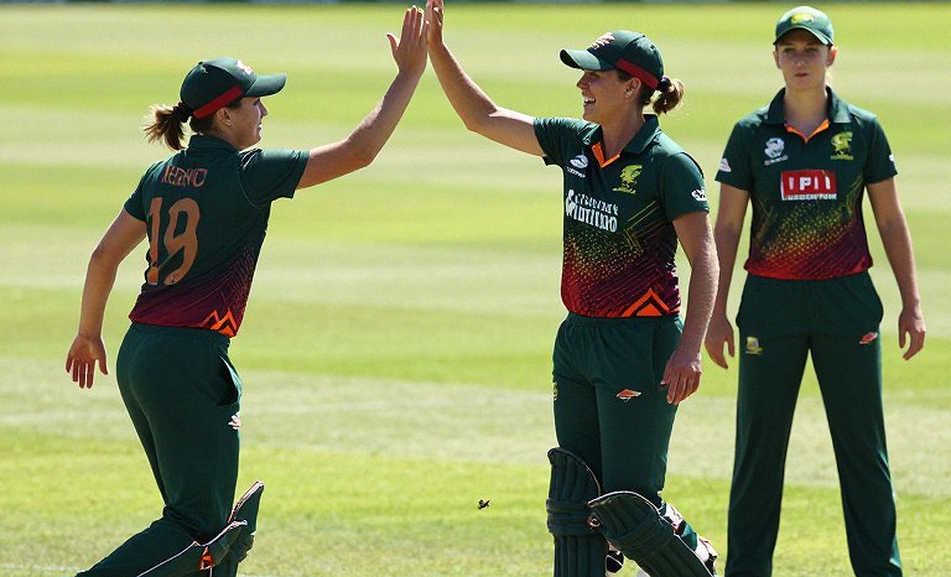
Sri Lanka XI began uncertainly. They lost two wickets for 21 and were later 40 for three. Saqib Khan dismissed Sooriyabandara and Dinesh Chandimal, giving Patrons XI genuine early control. Chandimal’s duck and Dhananjaya de Silva’s 14 also showed that established names do not automatically convert opportunities in a warm-up.
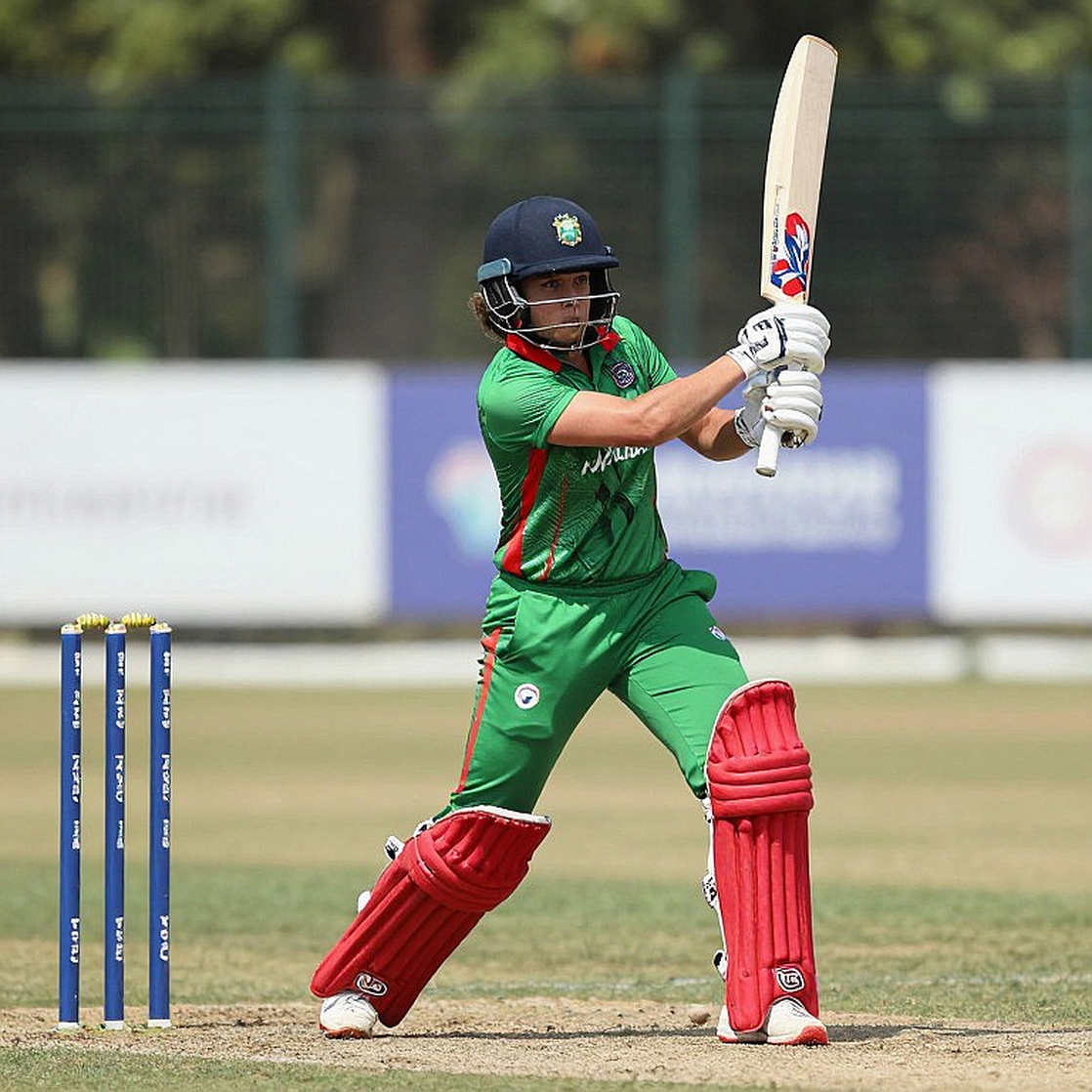
The innings changed through Lahiru Udara and Kusal Mendis. The pair added 90 for the fourth wicket. Udara made 65 from 105 balls, with seven fours and three sixes. Mendis scored 66 from 72 balls, hitting 11 fours. On the available figures, Udara’s strike rate was approximately 61.9 and Mendis’ approximately 91.7. Their innings should not be treated as identical contributions. Udara stabilised the score; Mendis applied immediate pressure through boundaries.
The value of the partnership was not simply the 90 runs. It moved Sri Lanka XI from a fragile position to one where the captain could declare and give the bowlers time to attack.
Based on my years of watching matches, the most useful line in a warm-up scorecard is often not the final total. It is the line showing what a side did after its first crisis. Sri Lanka XI prevented the innings from collapsing. That is not proof of international form, but it is a clear preparation signal.
What the declaration tells us
Sri Lanka XI declared at 223 for seven after 58 overs. The decision suggests that the team valued bowling time over adding more runs. Yet the quality of that decision cannot be judged without knowing the scheduled length of the match. In a compressed preparation fixture, the declaration was practical. With ample time available, stopping at 223 would require a different reading.
Patrons XI finished on 43 for two, 180 runs behind. Madushanka and Rathnayake took one wicket each. This was a useful start for Sri Lanka XI, but the available report does not provide overs, runs conceded, pace data or the exact timing of the dismissals. It is fair to say the early attack had an impact; it is not yet fair to call the entire bowling combination successful.
For Patrons XI, Saqib Khan, Ali Shabbir and Mohammad Salman took two wickets each, while Ubaid Shah claimed one. The distribution shows that the home or local side’s bowlers kept Sri Lanka XI under pressure for periods. Without economy rates and phase-by-phase data, though, no firm judgment can be made about individual quality. A wicket may come from a good plan, a batter’s error or both.
The caution behind the numbers
Mendis’ 66 included 11 fours, indicating that boundary access was central to his scoring that day. Udara faced more deliveries and scored with seven fours and three sixes. The figures reveal a difference in role, but they cannot establish a technical method without ball-by-ball data or video. We do not know whether Mendis dominated pace or spin, or whether Udara was repeatedly beaten outside the off stump.
This is where warm-up reporting often goes wrong. A half-century becomes a comeback, a duck becomes evidence of decline, and a 180-run lead becomes proof of team superiority. The available evidence does not support those leaps. Mendis and Udara produced immediate positives. A larger sample is required before those innings can be treated as a trend.
The new information from this match is that Sri Lanka XI showed recovery capacity, while their early top-order instability remained visible. The scores of 21 for two and 40 for three could become expensive against a stronger attack. The fourth-wicket stand solved the immediate problem; it did not erase it. In the next preparation innings, the more important measure will be how often the top order survives the first 20 overs.
The outside reading and the deeper reading
From outside, this is a clear Sri Lanka XI advantage. They made 223 for seven, declared, and restricted Patrons XI to 43 for two. The deeper story is less about dominance and more about rebuilding control. Sri Lanka XI did not control the match from the beginning; they regained control after an unstable start. That distinction matters when judging preparation.
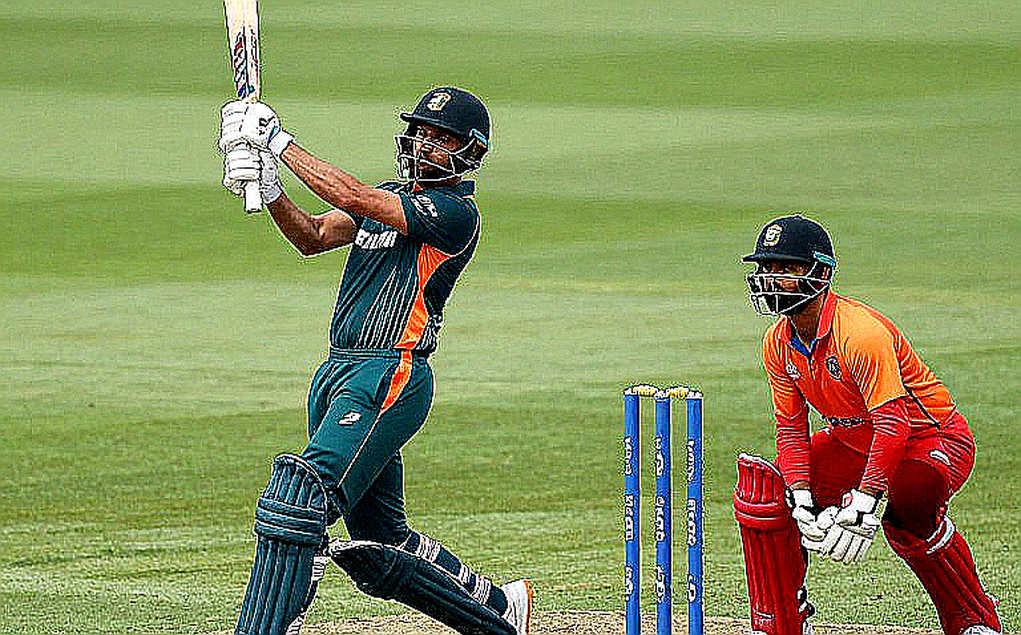
Patrons XI should also not be reduced to a 180-run deficit. Their bowlers took seven wickets, and Saqib Khan affected the top order. Their next test is whether those early breakthroughs can become sustained pressure against the lower order. If they can, the bowling unit will have produced a stronger development signal.
There is no basis here for conclusions about ICC rankings, final national-team selection, injuries or commercial value. No broadcast, ticketing, franchise, auction or contract information has been supplied. The match is therefore best understood as a limited preparation and assessment platform rather than an event in the cricket business.
I stopped treating the scorecard as the whole record after the 2026 investigations. This scorecard tells us the direction of the match; it does not tell us which delivery defeated a batter, which plan worked or whether workload affected a player. Until that evidence arrives, withholding the verdict is the more accurate form of reporting.
The next signals to track
Three indicators deserve attention. The first is Sri Lanka XI’s top-order survival in subsequent matches. The second is whether Mendis and Udara repeat their output in the same format, with balls faced and dismissal modes recorded. The third is whether Saqib Khan, Ali Shabbir, Mohammad Salman and Ubaid Shah can turn early wickets into sustained pressure.
At 11:40 the trophy was already history; the room was still deciding its meaning. Warm-up matches work in much the same way, except that selection and readiness replace the trophy. Sri Lanka XI supplied a useful answer in Islamabad, not a final one.
The next question is whether a 40-for-three start returns. If it does, can another partnership rescue the innings? If it does not, can the efforts of Mendis and Udara move beyond a single day’s brightness and become part of a serious selection discussion?