
LIV Golf: The 76 Days Between Scott O'Neil's $6.3M and Bankruptcy Protection
**मुख्य उत्तर:** LIV Golf ने 24 जून, 2026 को सीईओ स्कॉट ओ'नील को 6.375 मिलियन डॉलर का रिटेंशन भुगतान किया, जो 8 सितंबर, 2026 की चैप्टर 11 याचिका से 76 दिन पहले था। कंपनी की देनदारियां 500 मिलियन–1 अरब डॉलर और परिसंपत्तियां 100–500 मिलियन डॉलर बताई गई हैं, यानी बहीखाता दिवालियापन। **मुख्य तथ्य:** - कुल रिटेंशन पूल करीब 15.6 मिलियन डॉलर; ओ'नील का जून भुगतान लगभग 41 प्रतिशत हिस्सा। - 12 सितंबर, 2025 से 28 अगस्त, 2026 तक ओ'नील का कुल पारिश्रमिक 13.6 मिलियन डॉलर से अधिक। - ग्रेग नॉर्मन के सितंबर 2025 में जाने पर 9.4 मिलियन डॉलर से अधिक का भुगतान हुआ। - अंतरिम डीआईपी ऋण केवल 4 मिलियन डॉलर; बीसी पार्टनर्स के साथ 300 मिलियन डॉलर तक पुनर्गठन वित्त। - महीने के अंत तक "LIV 2.0" पर आगे बढ़ने या व्यवस्थित समापन का फैसला अपेक्षित। **स्रोत:** अमेरिकी बैंकरप्सी अदालत में 8 सितंबर, 2026 को दायर दस्तावेजों पर आधारित रिपोर्ट | Cross-checked: cricsultan.com **संबंधित प्रश्न-उत्तर:** प्रश्न: क्या स्कॉट ओ'नील का रिटेंशन भुगतान वापस लिया जा सकता है? उत्तर: लेनदार समिति 90-दिन के नियम के तहत क्लॉबैक मांग सकती है, क्योंकि भुगतान याचिका से 76 दिन पहले हुआ था। प्रश्न: "LIV Golf 2.0" का क्या अर्थ है? उत्तर: बीसी पार्टनर्स के वित्तपोषण से बनने वाली नई, छोटी इकाई जो चुनी हुई परिसंपत्तियां खरीदेगी और पुराने खिलाड़ी अनुबंध पीछे छोड़ देगी। प्रश्न: LIV खिलाड़ियों की गारंटीड रकम का क्या होगा? उत्तर: गारंटीड अनुबंध अब असुरक्षित देनदारी की श्रेणी में हैं, इसलिए वसूली सीमित रहेगी और बड़ा असुरक्षित लेनदार वर्ग खिलाड़ी ही होंगे।
On June 24, 2026, LIV Golf cleared a retention payment of $6.375 million to its chief executive, Scott O'Neil. On September 8, 2026, the same company filed for Chapter 11 protection in a US bankruptcy court. Between the two dates sit 76 days. That gap matters legally, because it falls inside the 90-day window in which a court can later ask what the board knew when it signed the cheque.
I am not connecting those dates for effect. I am reading them. March 2026, DLF Golf and Country Club, Hero Indian Open. Two hours before the final round, a tee-time shift forced me to rebuild a 46-guest activation sheet, 11 hospitality passes and three junior-clinic slots. That afternoon taught me the first line of every golf proposal I have written since — the two-hour file is not paperwork; it is the tournament breathing. A document that records who gets paid, and when, is a priority list. The cheque that clears tells you whom the organiser intends to protect, and whom it can defer.
LIV's $6.375 million belongs on that sheet. Which is why this is a balance-sheet story, not a leaderboard story.
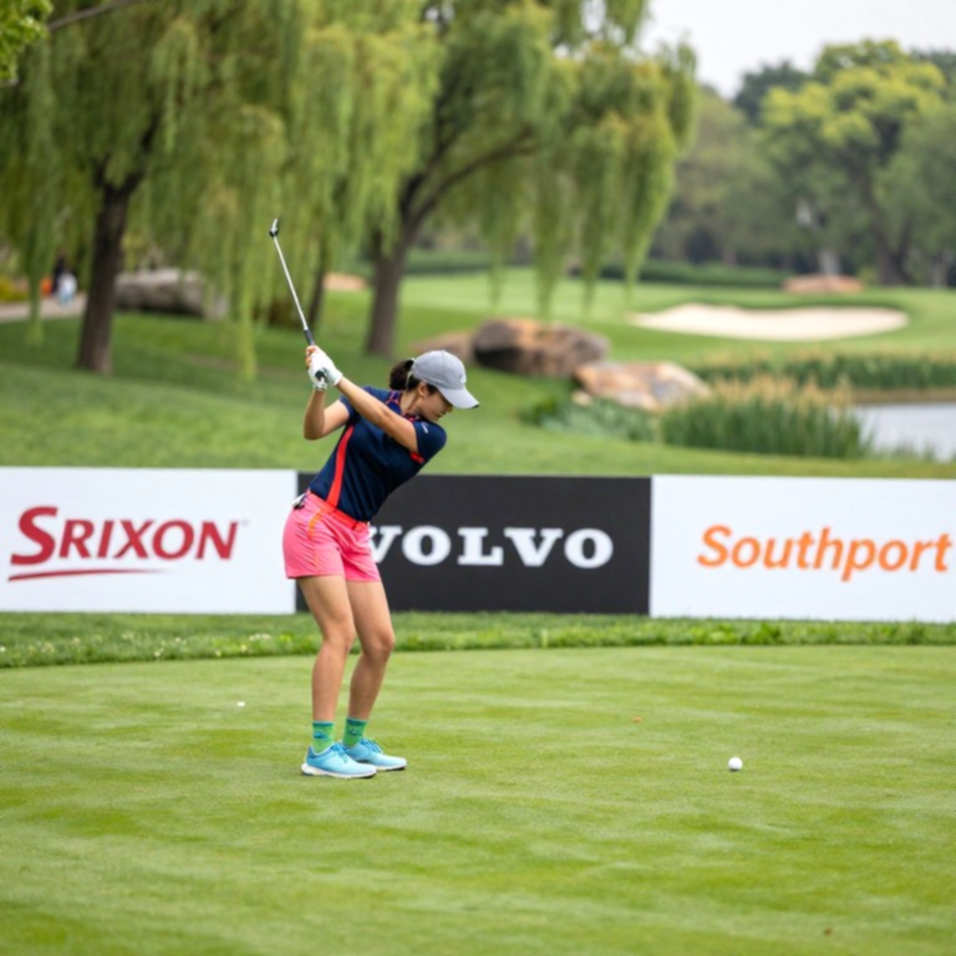
To understand LIV Golf you have to accept that its product was never the scoreboard. When the series launched in 2026, the pitch rested on three things: 54 holes, no cut, guaranteed money. The team-franchise structure was designed to convert players into contracted employees and teams into intellectual property. No world-ranking points came, and that grievance became the project's central complaint. LIV sold a contract, not a competition. Once a sports property's currency is a contract, its health is measured by payment capacity rather than scoring average.
We also remember the 2026-2026 argument wrongly. It was flattened into "sovereign capital versus the traditional tour." It was really one funding model against another: unlimited sovereign support on one side, tickets, media rights and sponsors on the other. Four decades of watching Indian golf tells me the sport lives off sponsor cheques. The PGTI calendar is set by purses, purses by title rights, and title rights by the two or three corporate names that sign every year. In a market of roughly 250,000 golfers across about 200 courses, claiming mass galleries is dishonest; the crowd is members and families, and only Olympic week and Indian Open week cross over. LIV built a much larger, much costlier and much lower-revenue version of the same sponsorship economy.
Now the file. Assets are listed in the $100-500 million range, liabilities in the $500 million to $1 billion range. Take the midpoints and net worth sits roughly $450 million negative. Of the four possible range combinations, only one — $500 million of assets against $500 million of liabilities — is solvent even on paper. This is balance-sheet insolvency, not a liquidity squeeze. The court permitted a restructuring plan with BC Partners that could raise up to $300 million for "LIV Golf 2.0." The first tranche of debtor-in-possession financing was just $4 million. And a decision is due by month-end: proceed, or wind down in an orderly way.
The most under-read number in that list is not 6.3 million. It is 4 million. For an operator that staged multi-million-dollar events across four continents to receive only $4 million of interim funding means the estate cannot self-fund even a few weeks. I know how fast a tournament week consumes cash — hospitality budget, venue payments, caddie-family seating, staffing ratios. When a global tour has $4 million against that demand, it is not reorganising. It is ending.
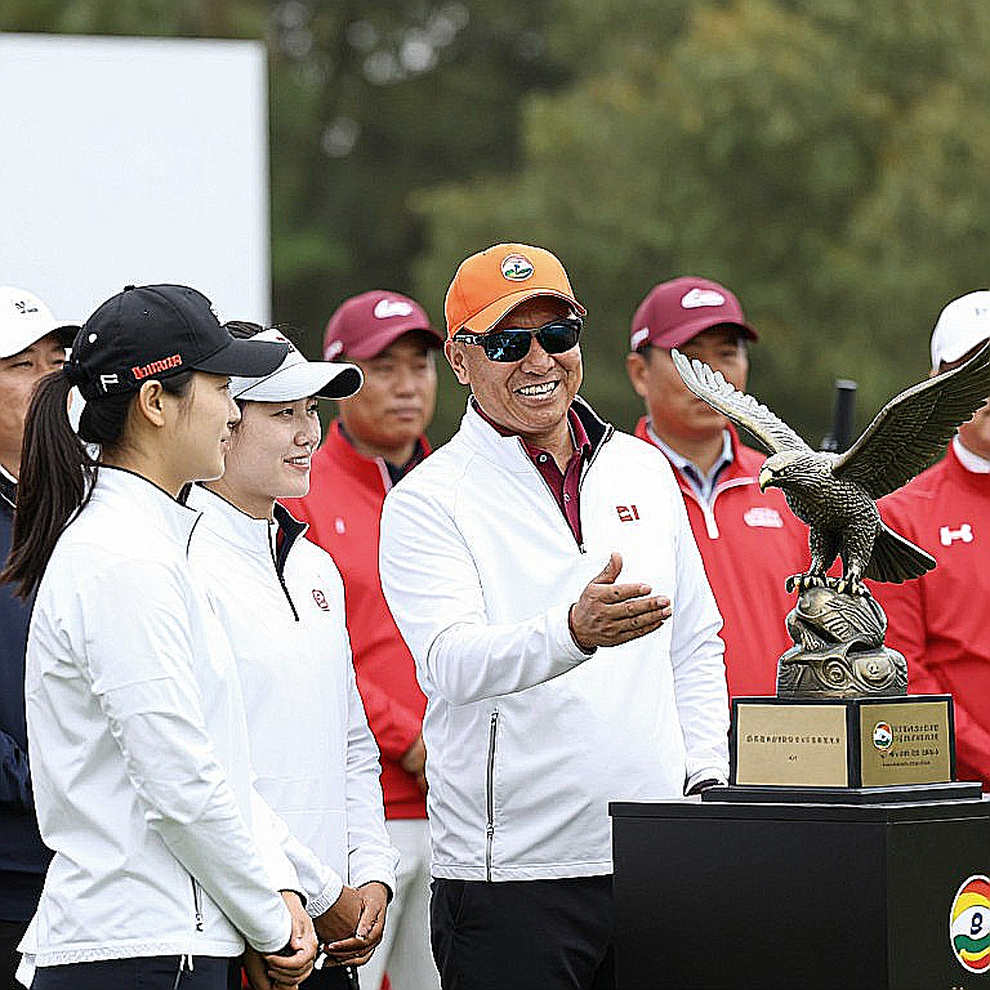
The retention pool is the loudest part of the story. Of an aggregate pool of about $15.6 million, O'Neil's single June payment is roughly 41 percent. His total compensation from September 12, 2026 to August 28, 2026 is reported at more than $13.6 million, including a bonus of about $2.7 million on February 13. This is not a broad cost reset; it is a deliberately concentrated bet on a handful of people so that the keys stay in known hands through a filing. The retention architecture itself is evidence that the filing was anticipated. A company that writes a pre-filing payment clause is preparing for that scenario.
Greg Norman's exit sits on the same sheet. Departing in September 2026 cost more than $9.4 million — about $5.8 million in settlement and $3.6 million in bonus. Two leadership transitions inside roughly a year therefore consumed more than $23 million, in the very year the company moved toward protection. Finance chief David Phillips is reported above $3.3 million and chief legal officer John Ruzich around $2.6 million. A legal seat paid heavily ahead of a Chapter 11 is itself a signal that restructuring preparation began months earlier. Investors and regulators will read these numbers not as bad luck but as weak capital discipline.
Structurally, LIV's biggest weakness is its own design. Guaranteed contracts invert in bankruptcy: obligations stay fixed while revenue remains discretionary. The series that sold security to players now carries those guarantees as its heaviest unsecured liabilities. The largest unsecured creditor class is likely to be players, not vendors. That is a reputational reversal no marketing budget can fix — the selling point becomes the lawsuit. Team IP is the most subjective asset on the schedule: hard to mark, hard to sell, and certain to be contested.
The $300 million ceiling is the binding system constraint. It is far below LIV's historical annual spend. If that is the maximum, the future LIV runs fewer events, smaller fields and renegotiated or voided player guarantees. "2.0" is accounting, not marketing — a new, smaller entity buying selected assets and leaving legacy contracts and litigation behind. Recovery for players shrinks accordingly.
One operational note, because this is where real people get caught. A September 8 filing lands at the end of the men's professional season. That is sensible: a mid-season filing would have cancelled events and enlarged the loss. The cost is that the 2027 schedule cannot be published until the proceed-or-wind-down call is made, so players learn their next-year status exactly when contracts and calendars are normally settled. And the list includes names that never appear in filings — venue staff, volunteers, caddie families. When the 2026 shutdown came, I counted stakeholders before I counted losses. The order should hold here too.
The easy conclusion is that LIV failed because the golf was not good enough. This file contains not one data point on field strength, scoring, attendance or broadcast reach. Every number relates to executive pay and the balance sheet. I learned that discipline after Tokyo 2026, when Aditi Ashok finished fourth in a 60-player field and a desk wanted a near-miss told as a medal story. I kept fourth as fourth and put result before context. Same here: this file cannot establish whether the product caused the financial decline. What it does establish is that the capital structure rested on a single source, and that source stopped absorbing losses.
The second turn is the identity of the lender. The court allowed a restructuring with BC Partners — an outside private-capital provider, not a sovereign fund. That is the strongest available evidence that LIV's subsidy phase has closed and a creditor-disciplined phase has opened. The fight framed as sovereign capital versus the traditional tour now reads as the traditional tour plus private equity versus a distressed asset. The PGA Tour, capitalised by Strategic Sports Group, looks like the more durable structure. Whether I like that is irrelevant; the document says so.
An honest counterweight: retention payments are not automatically improper. Keeping a chief executive and a finance chief through a Chapter 11 can serve creditors, since leadership vacuums make wind-downs costlier. The question is proportion. Giving one person 41 percent of a $15.6 million pool while liabilities sit between $500 million and $1 billion is not talent retention; it is risk transfer — onto players, vendors and event staff who hold nothing but a contract.
I will hold the scenarios to two, because a third changes no decision. First, "LIV 2.0" is confirmed by month-end with a smaller calendar and reworked contracts while the old entity liquidates; players' guarantees and venue-level staff absorb most of the damage. Second, no decision is reached and the case drifts toward orderly wind-down; the same people carry the heaviest layer, though junior staff exit fastest because payroll stops first. The winner in both is whoever supplied the new money.
I will take a side here, because belonging to a community does not require neutrality on every question. What drew the most praise over four years was the show — new team names, new presentation, new spectacle. What was least examined was capital discipline. Indian golf's small model is not better because it is more exciting; it is better because it lives inside its means and renews its signatures annually. A tour that cannot read its own cost base has no business promising anyone a future.
What to watch is specific. The largest-unsecured-creditors list: if player names and guaranteed sums sit at the top, LIV's entire marketing history flips. The creditors' committee's challenge to the retention payments, given the June 24 payment landed 76 days before filing. The 2027 calendar. And whether the PGA Tour opens a return pathway or prices it. A good operations plan leaves room for the phone call nobody wants; LIV's never did. The question was never whether money entered golf. The question is who pays when the cheque bounces.