
The File Was Empty: The Indian Basketball Record Nobody Ever Wrote Down
**मुख्य उत्तर**: भारतीय बास्केटबॉल की सबसे बड़ी संरचनात्मक कमी प्रतिभा नहीं, दर्ज रिकॉर्ड है। घोषणाएँ अखबारों और सोशल मीडिया तक पहुँचती हैं, जबकि स्कोरशीट, खेले गए मिनट, अनुबंध की शर्तें और अदालती आदेश सार्वजनिक फाइल में दर्ज नहीं होते। नतीजा यह है कि हर पीढ़ी वही 'पहली बार' दोबारा घोषित करती है। **मुख्य तथ्य**: - 25 जून 2015: सतनाम सिंह डलास मेवरिक्स द्वारा 52वें ओवरऑल पिक चुने गए; नियमित NBA सीज़न में उनका कोई दर्ज मिनट नहीं। - 4–5 अक्टूबर 2019: मुंबई के NSCI डोम में सैक्रामेंटो किंग्स बनाम इंडियाना पेसर्स, भारत में पहले NBA प्री-सीजन मैच। - जुलाई 2014, वुहान: FIBA एशिया कप में भारत ने चीन को 65-58 से हराया — सत्यापित हेड-टू-हेड नतीजा। - UBA का संचालन 2015–2017 की सीमित अवधि में रहा; उसके बाद किसी भी घरेलू लीग का पूरा सीज़न-डेटा सार्वजनिक रूप से उपलब्ध नहीं। **स्रोत**: NBA ड्राफ्ट रिकॉर्ड (25 जून 2015); NBA इंडिया गेम्स 2019 आधिकारिक विज्ञप्ति (4 अक्टूबर 2019); FIBA एशिया कप 2014 परिणाम (जुलाई 2014)। **संबंधित प्रश्न-उत्तर**: प्रश्न: भारत में NBA का पहला प्री-सीजन मैच कब और कहाँ हुआ? उत्तर: 4 और 5 अक्टूबर 2019 को मुंबई के NSCI डोम में सैक्रामेंटो किंग्स और इंडियाना पेसर्स के बीच। प्रश्न: क्या सतनाम सिंह ने NBA का नियमित सीज़न मैच खेला? उत्तर: नहीं, उनका प्रतिस्पर्धी खेल का समय डी-लीग की टेक्सास लेजेंड्स टीम के साथ दर्ज है। प्रश्न: भारत ने आधिकारिक FIBA प्रतियोगिता में चीन को कब हराया? उत्तर: जुलाई 2014 में वुहान में FIBA एशिया कप में 65-58 से।
A file landed on my desk on Monday afternoon. Nine sections — tactical analysis, player data, team operations and the cap, league landscape, rules and governance, coaching staff and the locker room, risk, media narrative, industry ripple. Every cell in every section carried the same sentence: insufficient information. No player's name, no team, no score, no date, no court order. My first thought was that something in the system had broken.
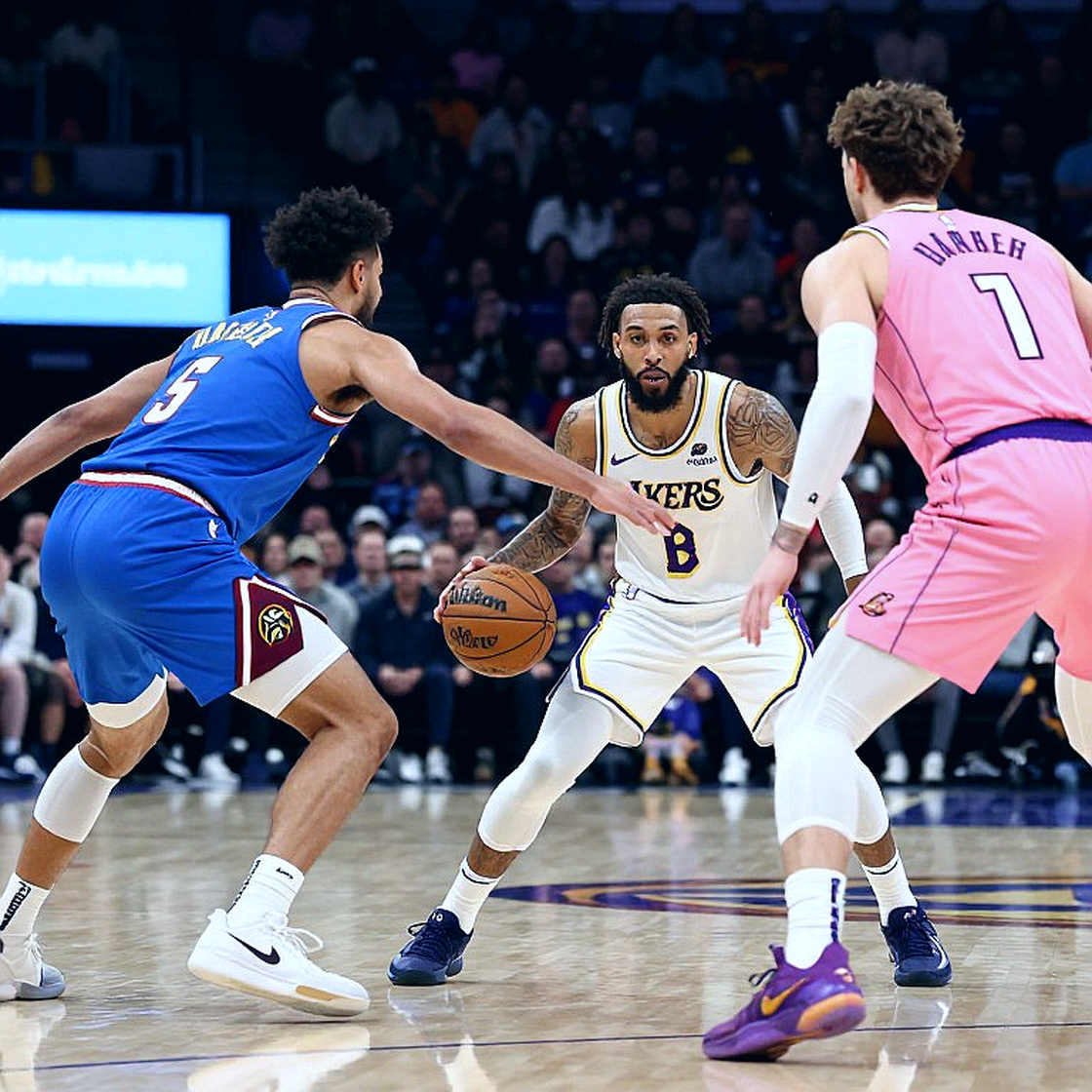
Then I remembered: I have been sitting around this game for thirty years, I started Hoopistani about fifteen years ago, and this file was not a malfunction. It is the normal condition. We have the game, the players, the halls, the stages, the cameras. What we do not have is the paper it is supposed to be written on.
I sat in the empty room and heard the crowd that wasn't there.
Indian basketball keeps two archives, and they do not speak to each other. The first is the archive of announcement — press releases, launch events, the Twitter graphic, the emcee's thumbnail. The second is the archive of record — entry forms, scorebooks, minutes played, contract terms, court orders, league tables. The first gets thicker every year. The second is roughly as thin as it was in 2026.
On the night of 25 June 2026, Satnam Singh was taken 52nd overall by the Dallas Mavericks. The graphic travelled — India's first NBA draft pick. It still gets reshared every June. The thing nobody made a graphic of is this: he has not one recorded minute in a regular-season NBA game; his competitive minutes went to the Texas Legends in the D-League. I am not writing this to assign blame. I am writing it to show what we chose to keep and what we let go.
On 4 and 5 October 2026, the Sacramento Kings and Indiana Pacers played at the NSCI Dome in Mumbai — the first NBA pre-season games in India. I was there, in the upper tier, from where you can see the whole far corner of the floor. The noise was real, the applause was real, and when the kids' group took the court at halftime the roof moved. Two years later I went looking for those two box scores because I wanted to remember who played the fourth quarter. I found them, eventually, in a place nobody visits twice.
Set against that: in July 2026 in Wuhan, at the FIBA Asia Cup, India beat China 65-58. That is a recorded, verifiable head-to-head result, in an official FIBA competition, against one of Asia's strongest sides of that era. I watched it at two in the morning on a bad stream with no commentary. It generated a fraction of the conversation that a pre-season friendly did. That imbalance is the whole story.
Indian basketball's deepest shortage is not talent. It is record.
Announcement and record are two different sports; the media plays the first and never asks for the second's scorebook.
I have a habit borrowed from a patch-note diary. Before any major tournament I build four columns — timestamp, zone, decision, consequence. In a game the fourth column fills itself: fourteen seconds, a counter, a read, a finish. Point the same chart at an institution and the columns read — date, body, decision, effect. In Indian basketball the third column is always full: an election dispute, a recognition case, a new league announcement, a suspension, a reinstatement. The fourth column is usually blank. And when the fourth column is blank, the first three are decoration.
The patch notes came down like a hymn no one had rehearsed. Rules change, recognition conditions change, selection processes change, and the player learns about it after the season has started. It is easy to pin this on one person. The real injury is that no public, dated, downloadable version of the change exists. What was never written down cannot be challenged.
Fourteen seconds is not long until you have spent a career inside it. The last quarter of a domestic season works the same way — the game turns in three minutes, a twenty-year-old's career rests on one decision. But no frame-by-frame record of those three minutes survives. Next year, when that same kid walks into a trial, he does not even have a scorebook to show. That is not a technical gap. It is a career being killed slowly, on paper, without noise.
I watched the small UBA window between 2026 and 2026, when it briefly looked as though a domestic league might acquire a permanent table. Of the smaller, disputed attempts that followed, none has a complete season dataset in public view. I am deliberately not naming names, because naming is easy and asking for the record is hard. And on the women's national team: in my experience its archive is thinner than the men's, even though its international returns have been steadier. Names like Vishesh Bhriguvanshi and Amjyot Singh stay with followers; the full roster does not sit on any single public page.
I want to concede something here that applies to my own work. Every time I write about the record, a reader says: the fan does not want a spreadsheet, he wants a team to watch on a Sunday evening and a name to argue about at the tea stall. That is true. I believe it, because I have been that fan — I have watched the game before the box score, and more than once I have reconstructed a match from commentary alone. But a Sunday without a record never becomes a season. And a season without a record never becomes a pathway. We have plenty of Sundays. We do not have a single pathway.
Now the part I like least and need most. The easy reading is that the NBA's glare ate the domestic coverage and the federation's litigation broke the game's tempo. Both are true, both are too neat. The harder reading is that the blank is useful to almost everyone in the short run. A league that never publishes full season data cannot be graded. A federation whose filings stay opaque cannot be audited. A media cycle that runs only on announcements never has to print a correction. The noise is not the opposite of the silence. The noise is the silence's alibi.
And I will add this: the people inside the federation, the promoters, the NBA-India office are not this story's villains. There are people there who buy tape out of their own pocket, who fill the entry form themselves, who are still in the same hall at ten at night. Anger is easy to aim at them. The hard work is to ask them one question — where is this season's data? — and then wait for an answer without assuming none will come.
The question is not when the next big event arrives. The question is whether, in the 2030s, we will announce the same firsts for the third time. On the day Indian basketball has a public, versioned, downloadable record — every national roster, every box score, every court order, every date, in one place — no reporter will have to write that the file was empty.
Until then the freeze-frame stays the same: an empty gym, a scorebook under the rim, and nobody there to photograph it.