
French Open 2026: Sindhu won game one, then lost 23-42 — what the 61-minute scoreboard actually reveals
**मुख्य उत्तर**: एन से यंग ने फ्रेंच ओपन 2026 महिला सिंगल्स खिताब जीता, पी.वी. सिंधु को 16-21, 21-11, 21-12 से हराया। निर्णायक मोड़ पहले गेम के बाद आया — अंतिम दो गेम में एन से यंग ने 42-23 से बढ़त बनाई और लंबी रैलियों ने सिंधु की फिनिशिंग क्षमता घटा दी। **मुख्य तथ्य**: - फाइनल 61 मिनट चला, कुल 102 अंक, प्रति अंक औसत 36 सेकंड। - पहले गेम में 11-11 के बाद सिंधु ने 10-5 का स्ट्रेच जीता और गेम 21-16 लिया। - दूसरे और तीसरे गेम में एन से यंग ने संयुक्त रूप से 42-23 से बढ़त बनाई। - आमने-सामने 11 मुकाबलों में सिंधु सिर्फ दो बार एक गेम जीत पाईं। - सिंधु के 2026 सीज़न में दो सुपर 750 पोडियम: जापान ओपन खिताब और फ्रेंच ओपन उपविजेता। **स्रोत**: मूल जानकारी फ्रेंच ओपन 2026 महिला सिंगल्स फाइनल मैच रिपोर्ट पर आधारित; प्रकाशन तिथि स्रोत सामग्री में उपलब्ध नहीं है और रिपोर्ट में कोई नामित सूत्र नहीं दिया गया। चौथा फ्रेंच ओपन खिताब तथा रैंकिंग अंक संबंधी आंकड़े स्वतंत्र रूप से सत्यापित नहीं (data pending verification)। **संबंधित प्रश्न-उत्तर**: Q: सिंधु ने पहला गेम कैसे जीता? — 11-11 के बाद तेज़ गति और फ्रंट-कोर्ट नियंत्रण से 10-5 का स्ट्रेच लेकर 21-16। Q: क्या यह सिंधु के लिए सुधार माना जाए? — आंशिक, क्योंकि 11 मुकाबलों में दूसरी बार एक गेम जीता, पर अगले दो गेम 23-42 से हारे। Q: रैंकिंग पर क्या असर? — सुपर 750 उपविजेता पर लगभग 9,350 अंक (सत्यापन लंबित), जो टॉप-8 सीडिंग सुरक्षा के लिए अहम है।
61 minutes. 102 points. An average of 36 seconds per point. The scoreboard from the French Open 2026 women's singles final at Arena Grand Paris reads simply enough on first pass: P. V. Sindhu took game one 21-16, then lost 11-21 and 12-21. On second pass, the shape appears. In game one, from 11-all Sindhu won that stretch 10-5. Across the next two games she was outscored 23-42. I read that scoreboard backwards, point by point. It is not a summary of a win and a loss; it is the blueprint of a structure.
First, the caveat that belongs at the top of any piece like this. There is no shot-level data in the public record for this match — no smash speeds, no unforced-error count, no rally-length distribution, no net-point win rate. What follows is a structural inference drawn from the scoring sequence, not a lab-verified finding. Nobody argues with a timestamp, which is exactly why I started collecting them. Where timestamps do not exist, the honest move is to declare the limit before making the claim.
Sindhu is 31. Her 2026 season rests on two real pillars: the Japan Open title in July and now a French Open runner-up finish, both at Super 750 level. That is the tier where points and prestige both matter, and where a runner-up finish alone is worth roughly 9,350 world-ranking points against about 11,000 for the title — a two-event haul in the region of 20,000, which is a strong seasonal base for anyone. Across the net stood world No. 1 An Se Young, reportedly winning a fourth title at this event; that number cannot be independently verified from the material available and should be read with care. What is verifiable is the head-to-head: 11 meetings, and Sindhu has taken a game in only two of them.
The architecture of the match. In game one Sindhu's winning formula was explicit — high intensity, sharp court control, capitalising on An Se Young's early errors to travel from 11-all to 21-16. That is the standard attacker's plan against a retriever: keep the rally short, intercept at the front court, deny the deep lift. The catch is that the formula has a short shelf life. It works until the opponent's retrieval length reasserts itself.
In game two, it did. The 21-11 scoreline does not merely describe a margin; it describes a direction. After a tight opening, An Se Young produced a long scoring run, and my read is that this was a deliberate tempo change rather than a sudden spike in form: higher lifts, longer rallies, forcing Sindhu to generate pace again and again. For a 31-year-old attacker, that is the most expensive request in the sport.
In game three the score sat at 9-9 before An Se Young broke away to 21-12. The report names the mechanism plainly: exceptional court coverage and defence. That is a repeatable, low-variance engine. It does not require her to out-hit anyone; it requires only that she extend the rally until the attacker's shot quality or error rate degrades.
The informative data point here is the shape of the score, not the result. In a genuinely close matchup, the player who takes game one usually stays within three to five points across the following games. A combined 23-42 across games two and three dismantles the reading that Sindhu 'took a game off her' and nearly made it a contest. That was a capacity-and-consistency collapse, not a tactical defeat.
Sindhu's own diagnosis points the same way. She said long rallies made converting opportunities difficult. That sentence is technically accurate and tactically revealing: it is an attacker admitting she was reaching the point of conversion but not finishing it. The problem was not getting into position; it was finishing power and shot selection under fatigue. At 31, the first problem yields to a tactical adjustment. The second rarely does.
Read as a style matchup, this is a counter, not a form issue. An Se Young's retrieval-plus-coverage profile systematically blunts a tall, high-contact-point attacker whose advantage depends on shortening rallies. Sindhu's game one proves the style can win a game. Games two and three prove it cannot currently win three.
One line on ranking arithmetic. A Super 750 title plus a Super 750 runner-up places Sindhu firmly inside the season-ending Finals race, and a top-eight seeding protects her from meeting An Se Young before the quarter-finals at 750 and 1000 level. At this stage of her career, no structural benefit is worth more.
Now the counterintuitive read, without which this match is only half understood. The prevailing commentary is clean: a 31-year-old could not absorb a three-game load. The tag says fatigue; the score says selection. Those are different data points. 102 points in 61 minutes works out at 36 seconds per point, and the normal elite women's singles band is generally taken as 30 to 40 seconds. This was not an extraordinarily drawn-out match. 'Long rallies' is a convenient label because it files the defeat under age and hides the shot-selection error from view.
The second counterintuitive read is less comfortable. Winning game one is not evidence of progress; it is evidence of Sindhu's current ceiling. Taking a game for only the second time in 11 meetings is improvement, but improvement small enough that calling it 'closing the gap' would be dishonest against the numbers. And An Se Young won this title with her B-game, not her best. Her early errors in game one are testimony that she was not at her peak. A player who loses a game and then wins the next two 42-23 has a floor so high that her opponent's ceiling does not reach it.
There is a version of this match that exists only in the score sheet, and it is the most reliable one. It shows Sindhu as a player who is clearly top-eight calibre and clearly not top-one calibre. Those statements are not contradictory. Two Super 750 podiums in a season confirm the resurgence is real rather than the product of a soft draw. Two games taken in 11 meetings confirms the title ceiling depends directly on An Se Young's absence or early exit.
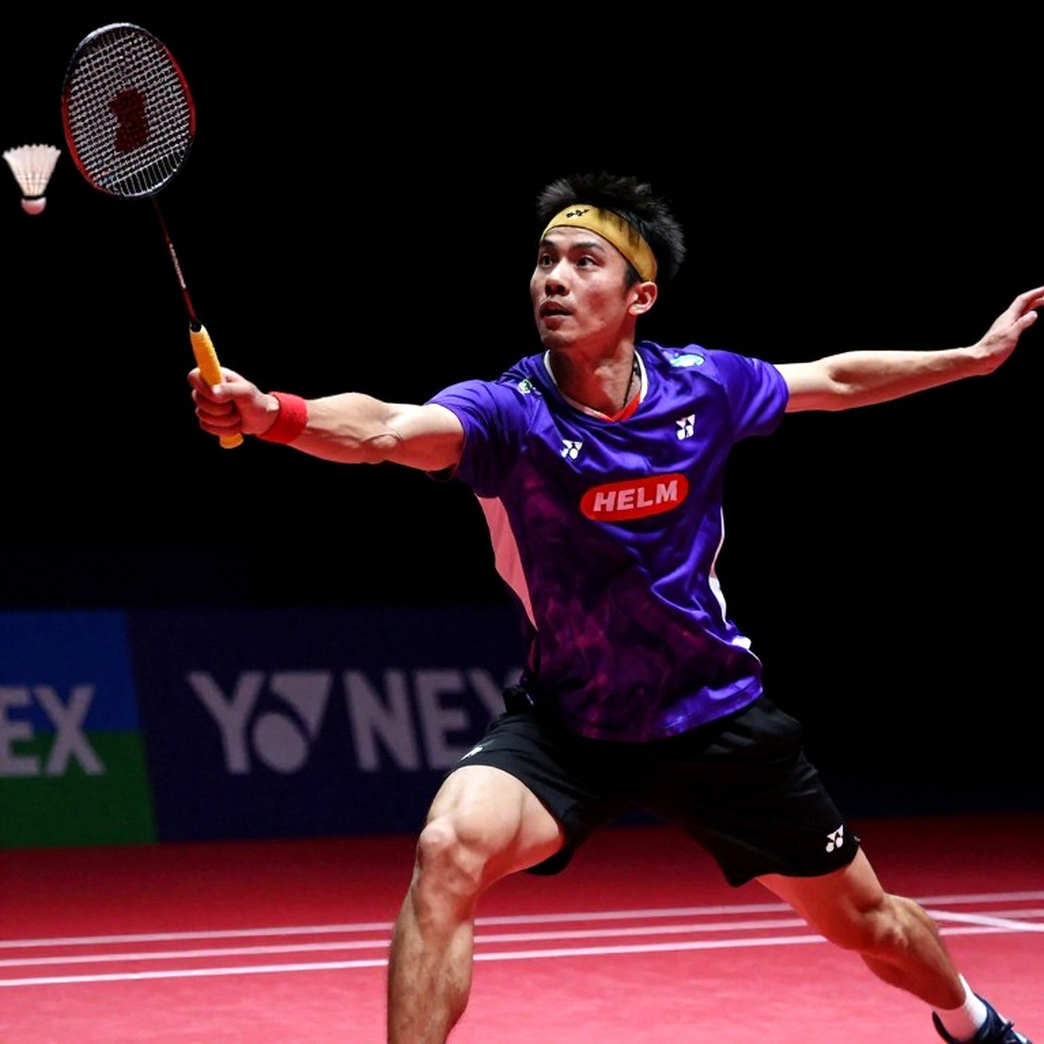
The next time these two meet, the test will not be how many points Sindhu takes. The test will be whether she can stay within five points in games two and three. Winning one game is settled. Whether a second game survives the same pressure is the open question — and whether the seeding arithmetic buys her the time and the draw that a 31-year-old attacker needs to purchase more than one game.